Dental Care
Toothache: 10 effective solutions to quickly relieve pain (2026)
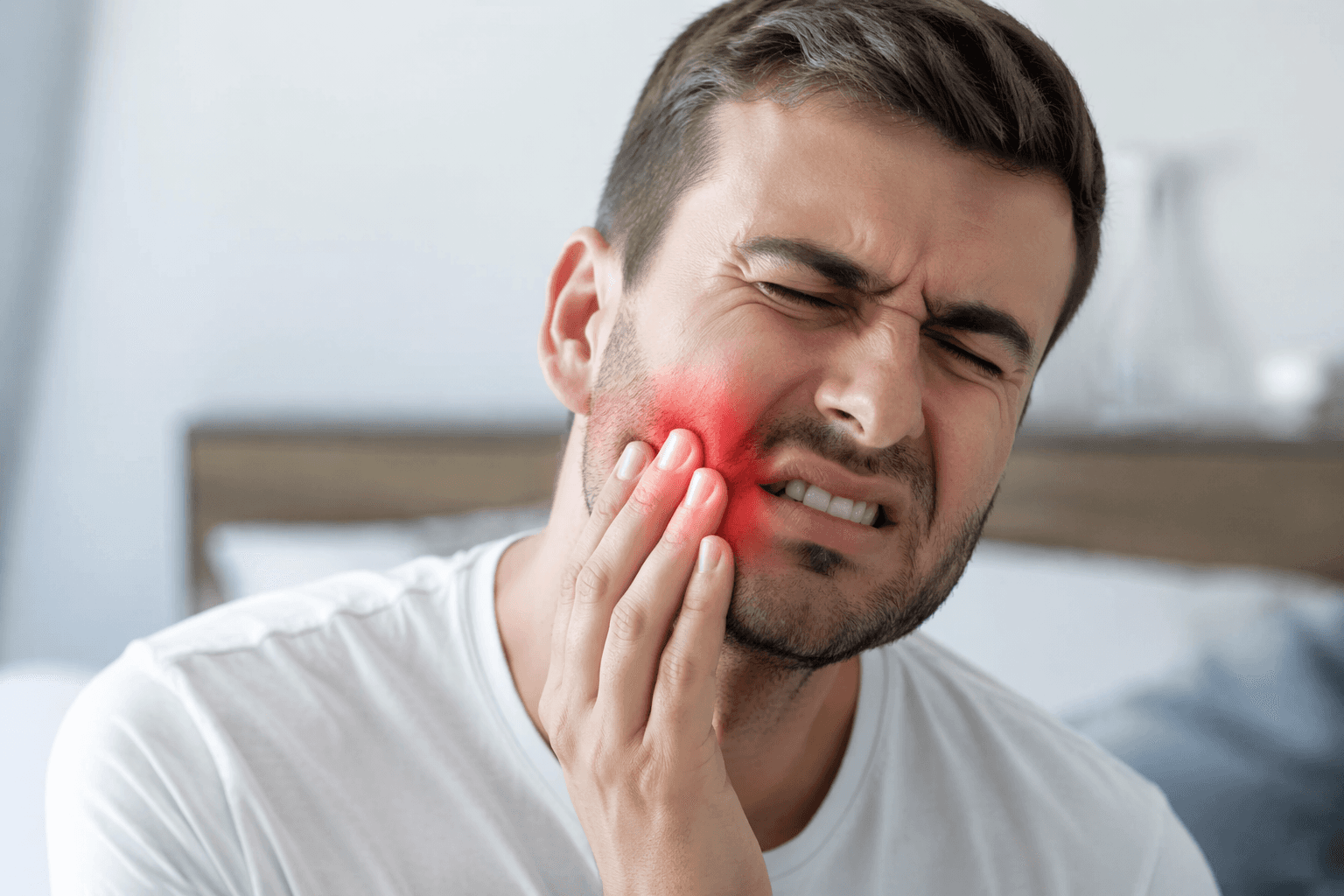
A toothache is one of the most intense pains a person can feel. It can appear suddenly, prevent sleep, make eating difficult, and even cause headaches. This pain is generally caused by a cavity, an infection, or inflammation of the dental nerve.
Even though these solutions can help calm the pain quickly, it is important to understand that they do not replace treatment from a dentist. They are mainly used to temporarily relieve pain while waiting for an appointment.
In this article, discover 10 effective solutions to quickly calm a toothache and the mistakes to avoid.
Why does a toothache happen?
A toothache never happens without a reason. It is generally a sign of an underlying dental problem.
The most common causes are:
A deep cavity
A dental infection
An abscess
A cracked or broken tooth
Inflammation of the gums
Severe tooth sensitivity
A damaged filling
When the dentin or the nerve is affected, the pain can become throbbing and very intense.
Symptoms of a toothache
Symptoms can vary depending on the cause, but the most common are:
Intense and continuous pain
Sensitivity to hot and cold
Pain when chewing
Swelling of the gum
Bad taste in the mouth
Swelling of the cheek
Fever in cases of infection
If you have significant swelling or a fever, you should seek care quickly.
10 solutions to quickly calm a toothache
Here are the most effective methods to relieve pain.
1. Use a saltwater mouth rinse
Salt water is a natural antiseptic.
It helps:
reduce bacteria
decrease inflammation
clean the infected area
How to do it:
Mix:
1 glass of lukewarm water
1 teaspoon of salt
Keep it in your mouth for 30 seconds, then spit it out.
Do this 2 to 3 times a day.
2. Apply cold to the cheek
Cold reduces inflammation and numbs pain.
Method:
put ice cubes in a cloth
apply for 15 minutes
take a 15-minute break
repeat if necessary
Never place ice directly on the skin.
3. Take a painkiller
Paracetamol can help reduce pain.
Important:
Always follow the dose indicated in the instructions.
Avoid:
Aspirin directly on the tooth (very dangerous)
Mixing medications without medical advice
4. Use clove
Clove contains eugenol, a natural anesthetic used in dentistry.
How to do it:
Option 1:
place a clove on the tooth
let it act for a few minutes
Option 2:
put one drop of clove essential oil on cotton
apply gently
Do not swallow the essential oil.
5. Avoid sugary foods
Sugar feeds the bacteria responsible for pain.
Avoid:
candies
sodas
cakes
chocolate
Choose:
water
soft foods
lukewarm food
6. Keep your head elevated
When lying down, blood pressure in the head increases, which can worsen pain.
Tip:
Sleep with:
2 pillows
head slightly elevated
This can reduce painful throbbing.
7. Gently clean the area
Sometimes, a piece of trapped food can cause pain.
Use:
a soft toothbrush
dental floss
a water flosser if possible
Do not force.
8. Use a dental anesthetic gel
Some pharmacies offer temporary anesthetic gels.
They help:
numb the area
reduce pain for a few hours
9. Avoid extreme temperatures
A painful tooth becomes very sensitive.
Avoid:
very cold drinks
very hot coffee
Prefer:
lukewarm foods
10. See a dentist quickly
Natural solutions do not treat the cause.
A toothache often requires:
cavity treatment
root canal treatment
antibiotics
abscess drainage
The longer you wait, the more the problem can worsen.
What you absolutely should not do
Some mistakes can worsen the situation:
Never:
Put aspirin on the tooth
Pierce an abscess yourself
Ignore an infection
Take antibiotics without a prescription
Apply alcohol to the tooth
These practices can cause serious complications.
When to seek emergency care?
You should seek care quickly if you have:
pain for more than 48 hours
facial swelling
fever
difficulty swallowing
pus
swollen lymph nodes
An untreated dental infection can spread.
How to prevent a toothache
Prevention remains the best solution.
Good habits:
brush your teeth 2 times a day
use dental floss
limit sugar
get an annual scaling
have regular checkups
A simple checkup can prevent major problems.
How to calm a toothache in the middle of the night?
Pain is often worse at night.
Quick solutions:
take a suitable painkiller
apply cold
saltwater mouth rinse
sleep with your head elevated
avoid lying completely flat
If the pain becomes unbearable, emergency dental services can help.
FAQ – Frequently asked questions
How long does a toothache last?
It can last:
a few hours
several days
until treatment
Without treatment, it generally does not go away.
Can a dental infection go away on its own?
No.
The infection can:
remain stable
worsen
spread
Treatment is often necessary.
How to sleep with a toothache?
Tips:
take a painkiller
use ice
sleep with your head elevated
avoid eating before sleep
What is the most severe dental pain?
Pain from the dental nerve (pulpitis) is considered one of the most intense.
Conclusion
A toothache can be extremely painful, but several solutions exist to temporarily relieve pain. Natural remedies such as salt water or cold can help, but they never replace professional treatment.
The best thing to do is still to see a dentist as soon as possible to treat the cause of the problem and avoid complications.
In the meantime, these solutions can help you better cope with the pain.
Article updated 2026



A smile for always —